Vietnam faces a critical cold chain gap at a time when demand for food and pharmaceuticals is accelerating. New regulations, ESG pressure, urbanisation: the logistics sector is set for deep transformation by 2030. Analysis.
An industry under pressure: demand is surging, infrastructure isn't keeping up
Over the past decade, urbanisation, the rise of modern retail, export growth and e-commerce have pulled Vietnamese demand for fresh products and pharmaceuticals sharply upward. Yet cold chain infrastructure has developed at a much slower pace, creating a major gap between real needs and available logistics capacity.
Three structural challenges dominate the Vietnamese industry today.
A severe shortage of refrigerated storage capacity. Vietnam currently operates around 1.7 to 2.0 million refrigerated pallet positions, while actual demand is estimated at 3.0 to 3.5 million. That leaves a deficit of roughly 1.0 to 1.5 million pallet positions, particularly acute outside major cities and industrial hubs.
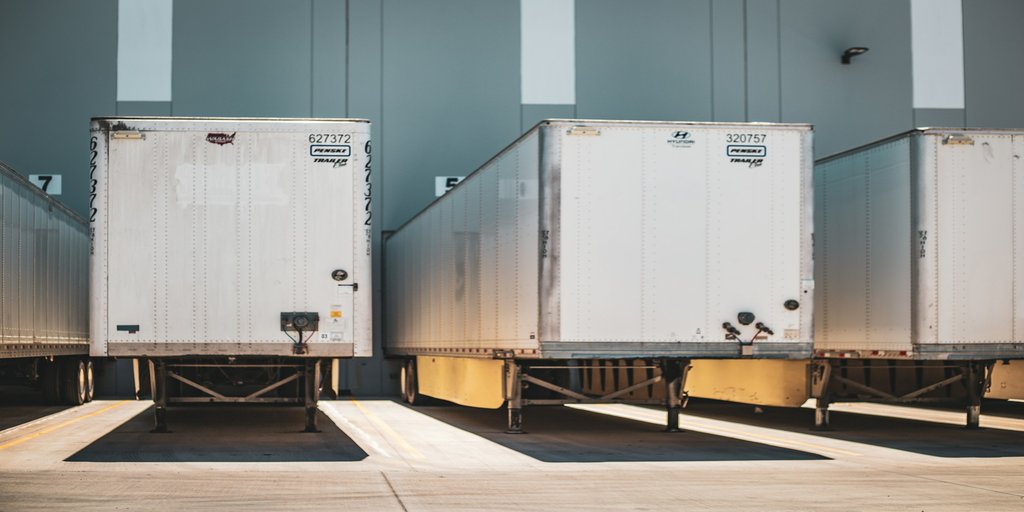
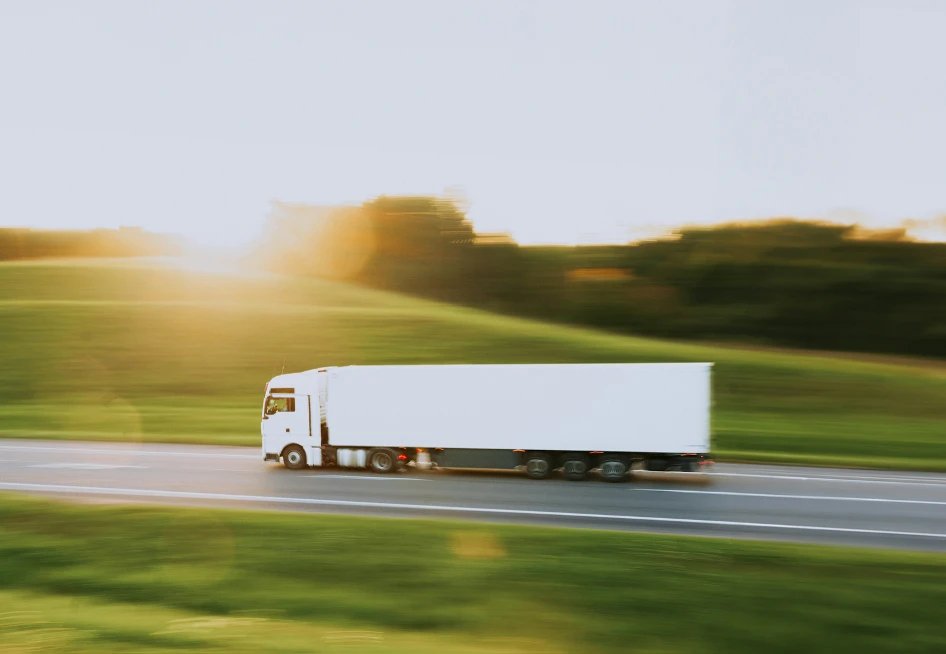
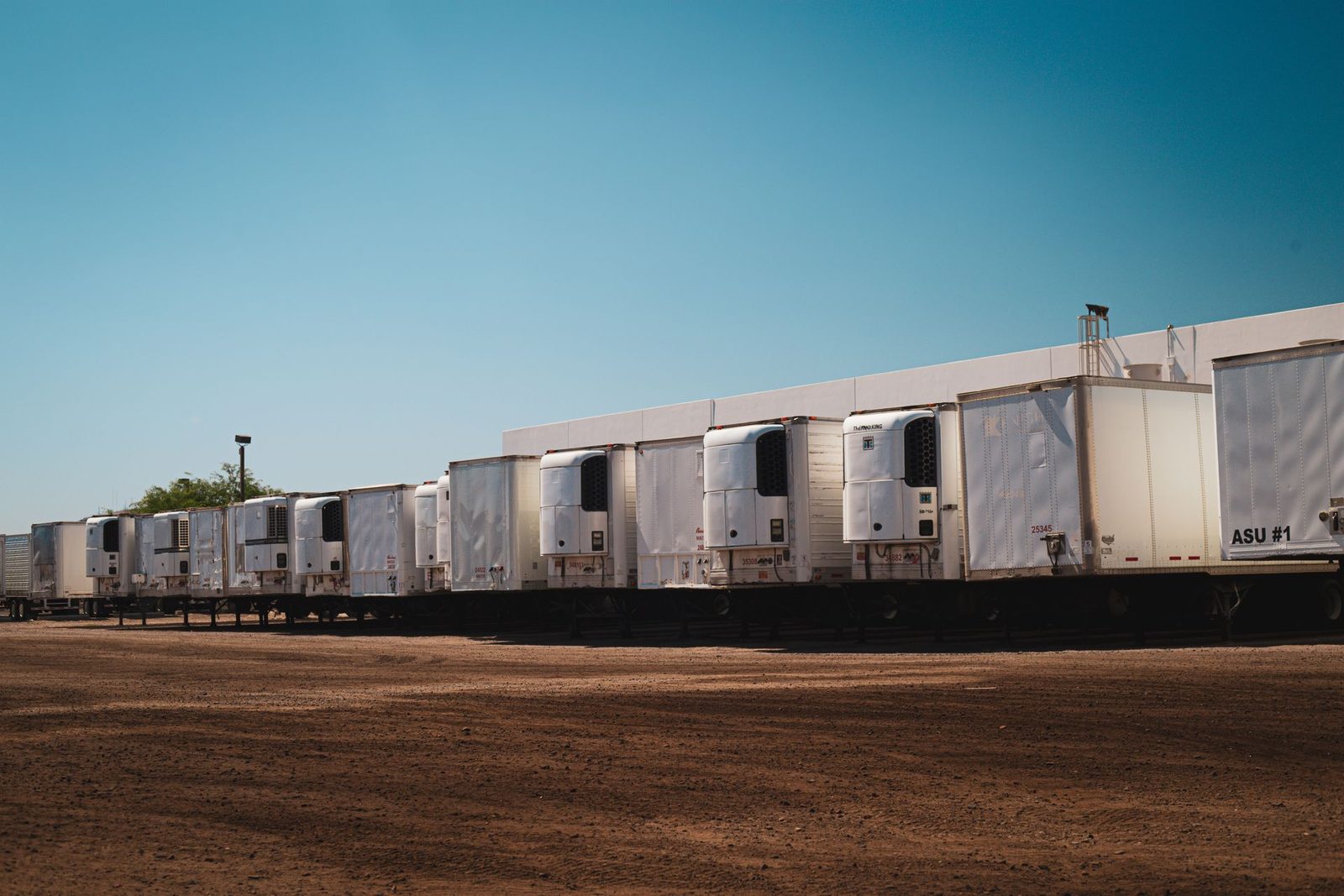
A critically undersized refrigerated transport fleet. The country runs only 2,500 to 4,500 refrigerated trucks, whereas real market requirements sit closer to 20,000 to 40,000 units. That means Vietnam is missing approximately 16,000 to 37,500 refrigerated trucks to properly cover its flows. As a result, huge volumes of seafood, meat, dairy, fruits, vegetables and pharmaceuticals still move without reliable temperature control.
A "cold chain equals cost" mindset that still prevails. For many operators, cold chain remains viewed as a line-item expense rather than a strategic lever for quality, food safety, export competitiveness and sustainability. Operational standards, temperature monitoring, staff training and handling practices remain inconsistent across the industry.
A heavy economic and public-health cost
Industry estimates put the volume of perishable products escaping reliable cold chain management in Vietnam at 2.7 to 4.8 million tons per year. This represents an economic loss of approximately USD 3.4 to 5.9 billion per year. Fruits, vegetables and seafood alone account for 70 to 80% of those losses.
The public-health impact is equally severe. Available public data suggests that 40 to 50% of food-poisoning cases may be linked, directly or indirectly, to cold chain failures during storage, transport or handling.
On top of these costs come significant environmental impacts: additional CO₂ emissions, excess energy consumption, and plastic waste linked to product spoilage and disposable packaging.
2026: the new regulations set to accelerate the upgrade
The entry into force of Decree 46/2026/ND-CP, built on the amended Law on Food Safety of 2010, marks a major turning point for logistics operators and cold chain players.
The strengthened requirements focus in particular on:
- temperature control throughout storage and transport;
- traceability and record keeping;
- hygiene management;
- risk-based inspections;
- contamination prevention across the entire supply chain.
One particularly structuring focus is product segregation and cross-contamination prevention. Companies handling food products must now implement strict procedures to separate raw and cooked products, isolate seafood, meat, dairy, pharmaceuticals and allergen-sensitive products, avoid contact between chilled and ambient goods, prevent contact between food and non-food items, and ensure rigorous cleaning of vehicles, pallets, containers and storage areas.
The framework also reinforces expectations around dedicated temperature zones, hygienic loading and unloading procedures, cleaning and disinfection protocols, staff hygiene training, pest control, and continuous monitoring of storage and transport conditions.
Penalties are tightening accordingly: fines range from 20 to 100 million VND, with possible suspension of operations in serious food-safety cases.
In practice, these new rules will accelerate investment in compliant refrigerated warehouses, reefer trucks, temperature monitoring systems, traceability software and staff training.
Compliance costs will rise, but this is also an opportunity for professional operators to differentiate themselves with higher standards.
Why the refrigerated truck shortage persists
Vietnam generates estimated daily demand of 500,000 to 1 million refrigerated pallets. That would require 20,000 to 40,000 refrigerated trucks to properly absorb these volumes. Yet the country only has 2,500 to 4,500 in operation.
Four reasons explain the gap.
Significantly higher CAPEX. A refrigerated truck costs 23 to 46% more than an ambient vehicle, due to the insulated body and refrigeration unit. Many operators still prioritise short-term transport cost over cold chain performance.
A highly fragmented market. A multitude of small transport operators lack the financial capacity, technical expertise or operational visibility required to invest in compliant reefer fleets.
A cost-driven logistics culture. Cold chain is still seen as a spending line rather than a strategic tool to reduce waste, improve food safety, extend shelf life and boost export competitiveness.
Passive cold chain solutions remain largely unknown. Technologies such as insulated passive containers and eutectic systems, like those developed by Olivo Cold Logistics, enable temperature-controlled transport without dedicating a fully refrigerated truck to every delivery. They can optimise existing fleets, reduce dependence on reefer trucks, improve multi-drop urban distribution, cut fuel consumption and lower CO₂ emissions. In mature markets, passive cold chain already plays a key role in last-mile and secondary distribution. Vietnam will need to accelerate awareness, training and adoption of these alternative approaches.
With the enforcement of Decree 46/2026/ND-CP and stricter food-safety requirements, investment in refrigerated transport, temperature monitoring and compliant operations should ramp up substantially over the coming years.
ESG: the new competitiveness benchmark
Vietnamese logistics is now judged on far more than cost and speed. Domestic and international regulations are converging to impose tougher environmental standards.
At home, the legal framework is accelerating through the Law on Environmental Protection 2020, supported by several key decrees: Decree 06/2022/ND-CP on greenhouse-gas reduction, Decree 119/2025/ND-CP on emissions management, Decree 112/2026/ND-CP on carbon credits, Circular 02/2022/TT-BTNMT on Extended Producer Responsibility (EPR), and Decree 45/2022/ND-CP on environmental penalties.
Single-use plastic in the spotlight
Vietnam generates roughly 3.1 to 3.8 million tons of plastic waste per year, of which 0.28 to 0.73 million tons leak into the ocean annually. Single-use food packaging is one of the main contributors. Expanded polystyrene food boxes rank among the waste items most frequently collected in Vietnamese rivers and coastal environments.
Authorities are therefore progressively pushing companies to reduce single-use plastics, increase recycling rates, adopt reusable packaging, improve waste traceability, and contribute financially to recycling systems through EPR obligations.
International pressure on exporters
Vietnamese exporters face a set of new international ESG regulations that flow directly down to their logistics partners: the European Corporate Sustainability Reporting Directive (EU CSRD, Directive EU 2022/2464), the EU Carbon Border Adjustment Mechanism (CBAM), the EU Deforestation Regulation (EUDR), the EU Corporate Sustainability Due Diligence Directive (CSDDD), and the US Uyghur Forced Labor Prevention Act (UFLPA).
International customers now expect CO₂ emissions data, traceability information, packaging sustainability metrics, energy consumption reporting, and full ESG compliance documentation.
This pressure is accelerating investment in reusable insulated containers, energy-efficient warehouses, IoT-based temperature monitoring, route optimisation and low-carbon technologies. Passive cold chain solutions, in particular reusable eutectic containers such as those developed by Olivo Cold Logistics, become highly relevant: they help reduce fuel consumption, minimise single-use polystyrene waste, lower CO₂ emissions and improve cold chain reliability.
2030 vision: what Vietnamese logistics will look like
By 2030, Vietnam's logistics and cold chain industry should undergo a profound transformation. Several trends are converging.
A massive capacity catch-up. Closing today's gap of 1.0 to 1.5 million refrigerated pallet positions and 16,000 to 37,500 reefer trucks will require billions of dollars of investment in storage, transport, automation and monitoring technologies.
Urban electrification. Rising fuel costs, tighter environmental regulations and international ESG pressure will accelerate the adoption of electric vehicles, particularly for urban and last-mile distribution.
Solar on warehouse rooftops. Refrigeration being one of the heaviest electricity consumers in logistics, solar panels on cold storage rooftops will become widespread.
Night deliveries and hydraulic tail lifts. Night deliveries with larger vehicles will grow to reduce congestion, improve productivity and cut emissions per pallet transported. Hydraulic tail lifts will speed up loading and unloading, reduce driver fatigue and increase the number of delivery stops possible in an 8-hour route.
The rise of passive cold chain. Vietnamese logistics, still heavily reliant on diesel reefer trucks, will progressively integrate more insulated eutectic containers and passive systems, like those developed by Olivo Cold Logistics. These solutions complement traditional refrigerated transport with direct impact on fuel consumption, CO₂ emissions, reefer dependence and single-use polystyrene volumes.
Accelerated automation. With rising labour costs and tighter food-safety standards, warehouses will adopt more robotic storage systems, automated pallet handling, goods-to-person picking and AI-assisted inventory management.
Autonomous delivery emerges. Autonomous vehicles, delivery robots and drones may progressively enter the market for pharmaceutical, healthcare and e-commerce deliveries, particularly in dense urban settings and remote rural areas.
Data takes centre stage. Customers and regulators will increasingly demand real-time temperature monitoring, structured ESG reporting, carbon-footprint tracking and end-to-end product traceability.
The bottom line: from cost centre to strategic pillar
By 2030, Vietnamese logistics will have been profoundly reshaped. More automated, more energy-efficient, more connected and significantly more sustainable, it will become a strategic pillar of export competitiveness and supply chain resilience.
Companies that invest early in compliant cold chain infrastructure, smart logistics technologies and low-carbon solutions will secure a meaningful competitive edge, both in Vietnam and internationally.
Provigood — We Do. You Grow. Authorized distributor of Olivo Cold Logistics in Vietnam and Cambodia.